
Top Tips for Crafting an Impactful Resume

Updated: Aug 6, 2025
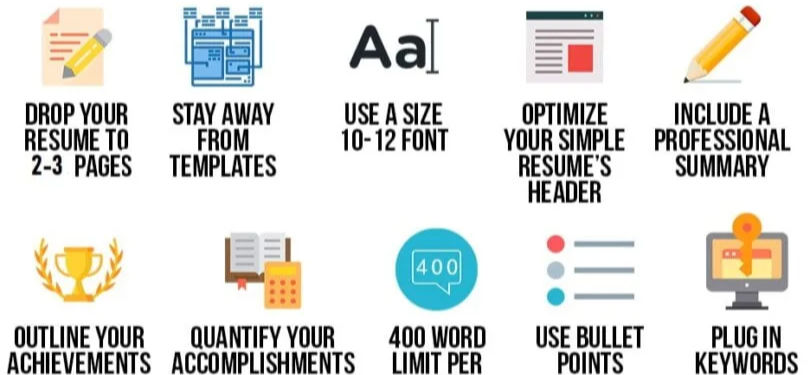
1. Stick to Chronological Order: Structure your resume with a clear, chronological flow, beginning with the most recent experiences first. Make it easy to skim, with achievements and highlights readily visible. Remember—selection teams rarely read resumes line by line. They scan for keywords, relevance, and impact.
2. Use Action and Power Verbs: Replace generic phrases with impactful action words. These words infuse your narrative with energy and purpose. Examples include: Adapted, Collaborated, Designed, Led, Managed, Created, Spearheaded, Researched, Initiated, Implemented. These verbs convey ownership, drive, and leadership—traits that employers and admissions committees value.
3. Focus on Accomplishments, Not Just Duties: Don't simply list your job descriptions or roles. Instead, focus on the impact you made. Talk about:
Projects led
Skills demonstrated
Results achieved
Recognition received
Example:
Weak: “Interned at XYZ Company – assisted in marketing tasks.”
Strong: “Collaborated with a 5-member team to design a social media campaign that led to a 30% increase in engagement.”
4. Be Honest & Authentic: Avoid exaggerating accomplishments or listing experiences you can’t explain in an interview. Your resume should be truthful and confident, reflecting who you are, not who you think they want you to be.
5. Skip Unnecessary Personal Information: Leave out details like religion, parents’ names, marital status, or political affiliations. These are irrelevant and take up valuable space. Focus instead on showcasing:
Your education
Internships or work experience
Certifications
Technical and soft skills
Leadership or extracurricular involvement
6. Be Crisp, Clear, and Concise: Use clear, precise language that gets to the point. Avoid fluff. A recruiter should understand your value within 10 seconds of scanning your resume.
Ideal length:
1 page for early-career professionals or students
2 pages only if truly necessary (e.g., with multiple internships, leadership roles, or technical projects)
7. Proofread Meticulously: Even a single typo can dent your credibility. Revisit your resume daily during the drafting process, and always get a second pair of eyes—a mentor, counsellor, or trusted friend—to review it before finalising.
8. Maintain Consistent Formatting: Presentation is as important as content. Follow a uniform structure:
Use a single font (e.g., Calibri, Arial)
Maintain consistent font size and spacing
Bold only key headers/subheadings
Avoid using excessive colours or distracting graphics (unless it’s a creative resume for design/media roles)
Pro Tips: Consistency reflects professionalism.

Your resume is your story on a page—make sure it’s a story worth reading.
Many applicants underinvest in resume creation, treating it as a last-minute task. That’s a mistake.
If you're serious about standing out, take the time to strategise, write, revise, and polish your resume.
It’s your foot in the door—and often, your only chance to get noticed.
Pro Tips: Start early. Revisit and update your resume every quarter. It’s not just for job or college applications—it’s also a great reflection tool to track your growth.
Need help crafting a winning resume?
At Education & You, we offer personalised resume reviews, one-on-one mentoring, and industry-aligned formatting support to help you put your best foot forward.


